

Looking to build product awareness, elevate consumer engagement rates, or boost on-site conversions? Earning customer trust is a crucial step toward achieving these business growth goals.
In truth, this isn’t much of a surprise. According to research, trust plays an essential role in the typical buyer’s journey. In fact, some data even suggests it’s as important to consumers as product quality and value for money.
But the benefits of building brand trust don’t end at encouraging sales. A reputation of credibility and trustworthiness effectively removes common conversion obstacles. It reduces shoppers’ price sensitivity, and it can even drive long-term brand loyalty.
So, if you’re wondering about potential hidden barriers killing brand trust (and conversion rates) on your website, you’re in the right place. This guide will cover some of the most common reasons why consumers don’t feel confident while browsing brands’ websites. Furthermore, it will present you with actionable tips on how to remove trust-related conversion barriers, helping you boost sales and position your organisation as a credible and dependable entity in your target industry.
Poor Site Performance
Site performance is one of the most commonly overlooked conversion barriers harming brand trust.
Yes, most business owners and marketers comprehend the importance of a fast and enjoyable browsing experience. Yet, many websites still fail the 3-second rule, risking high bounce rates and unfavourable brand perception.
Add to this the fact that the majority of sites don’t meet basic accessibility recommendations, and it quickly becomes clear that technical performance is one of the most commonly overlooked elements of conversion optimisation.
Essentially, when looking to boost conversions and improve your brand’s reputation, you’ll need to treat your website as a preview of the quality of service/products your target audience should expect.
If your UX is enjoyable and fluid, it’s likely to leave a positive impression on potential customers. If not, it’s sending the message that your business is unprofessional (or at least careless with customer experience).
The good news is that basic UX improvements don’t have to be resource-intensive. Free tools like Google’s PageSpeed Insights effectively analyse technical performance, giving you actionable tips on what to fix to ensure your web visitors have an enjoyable experience when interacting with your brand on-site.
Lack of High-Relevance Social Proof
Another common barrier that’s preventing businesses from building trust online is the lack of high-relevance social proof on their digital distribution channels.
Research shows that reviews are an “essential resource” to 98% of people making a purchase decision. But even more importantly, 45% of shoppers won’t buy a product if there are no reviews available for it.
So, do you want to remove common conversion barriers (that are stopping you from establishing a trustworthy brand reputation that encourages customer confidence)? Explore opportunities to showcase more social proof in your online presence.
But don’t stop at highlighting traditional social proof formats on your website. Instead, consider your social media as well.
For example, it’s well known that about one-third of brand and product discoveries take place on social networks. That’s why many brands — like Amp — expertly integrate user-generated feedback into their feeds, using this type of content to build brand confidence while also elevating product awareness.
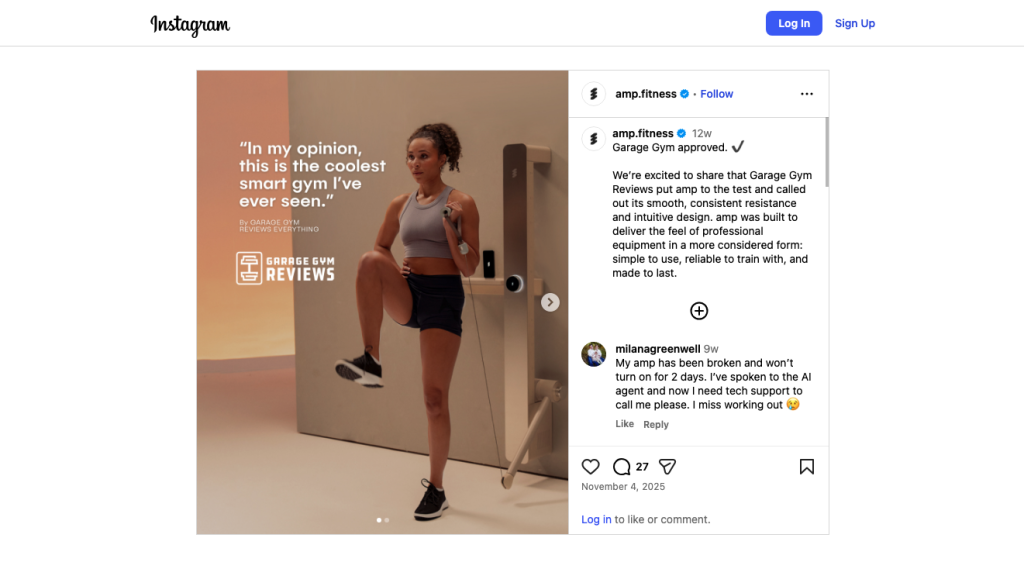
Source: instagram.com
Failing to Highlight Certifications
Traditional social proof and UGC are exceptionally effective at building brand trust and encouraging conversions. However, they’re not necessarily sufficient in low-trust and niche industries. Especially when consumers need to be 100% certain they’re making the right buying decision.
Just look at some of the most recent research on the credibility of different content formats (including branded and non-branded resources). You’ll quickly discover that third-party validation carries a lot more weight than any brand claim.
Why? Because certifications remove the element of doubt from businesses’ value propositions. Moreover, such resources rely on industry authorities that consumers (most likely) already trust.
For instance, consider the food industry. Here, third-party certifications were the most trustworthy source of sustainability information in 2025. Moreover, a 2024 research study discovered that 86% of shoppers reported high levels of trust in B Corp-certified businesses.
With this in mind, an easy yet effective tactic to build brand trust and remove common conversion obstacles from your sales funnel is to highlight relevant certifications in easy-to-spot areas of your website. For instance, this is what the “Apple MFI Certified” badge just below the primary CTA button on the Spotminders homepage does.
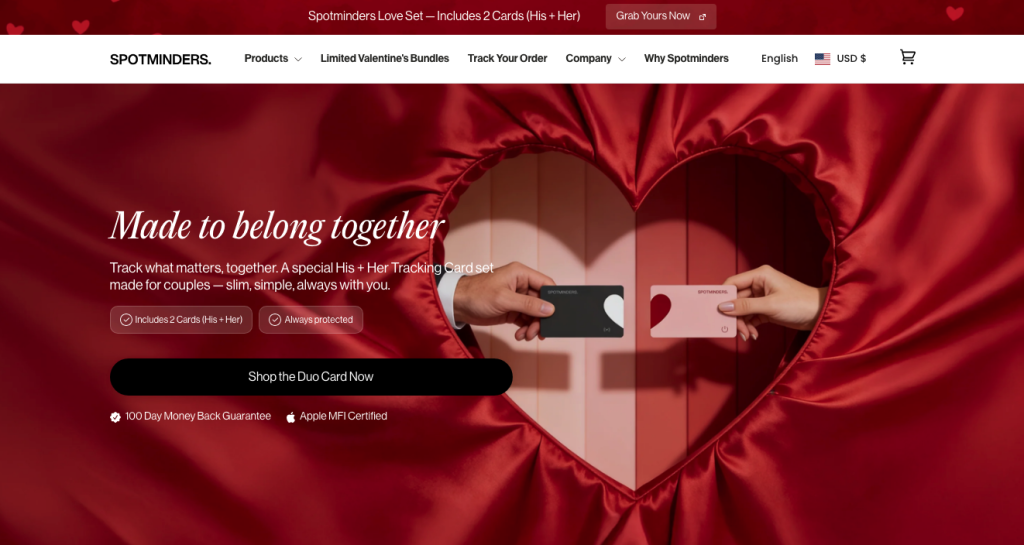
Source: spotminders.com
Ignoring Unique Customer Needs
Sometimes, the most significant obstacle preventing you from converting new customers isn’t your inability to prove your brand’s competence and credibility. Instead, it’s a lack of clarity regarding what you offer and how that relates to your ideal customers’ needs.
Just look at consumer behaviour research on the topic of what buyers expect from brands. You’ll find that the majority of shoppers want brands to show an in-depth comprehension of (and care for) their unique wants and needs.
Businesses that position their solutions as relevant and highly targeted are unsurprisingly more successful at attracting and converting prospects. Plus, they tend to enjoy better brand reputations as well, which is a crucial factor in achieving organic business growth.
Is there something (a product feature or CX benefit) that your ideal customers really want and need? In that case, do your best to emphasise it in your online presence.
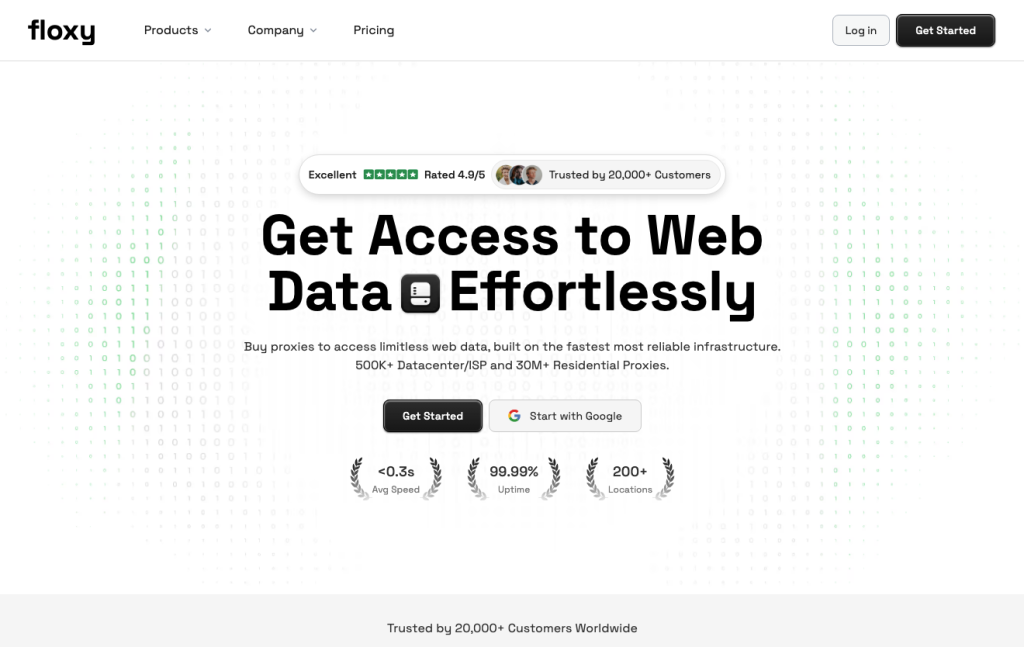
For example, check out Floxy. This brand comprehends that its ideal customers have highly specific technical requirements when choosing proxies. That’s why it boldly points out its average speed, uptime, and available locations in the hero section of its homepage, knowing that these pieces of information are sure to influence web visitors’ purchase intent.
Source: floxy.io
Failing to Explain Your Approach to Solving Customer Pain Points
In some cases, the primary reason web visitors don’t feel comfortable converting on your website doesn’t have to do with your brand’s expertise, credibility, or trustworthiness. Even if your business enjoys the reputation of a prominent industry authority, your target audience may still choose not to convert due to specific uncertainties or risk aversion.
Consider what people want from their purchases. Research suggests that they usually prioritise getting the most value for money.
So, if they’re browsing for solutions or services (especially those at higher price points), they’re very likely to leave the sales funnel if they’re not entirely certain that your brand can effectively address their pain points.
That’s why “How It Works” content is so important when you’re trying to guide leads toward a conversion decision.
However, if you want an even better method to remove conversion obstacles and elevate your target audience’s faith in your products or services, you can choose to directly address your customers’ specific pain points or frustrations and explain precisely how you plan on making them go away.
If you look at Start in Wyoming, you’ll notice that this brand adopts this trust-building strategy on its LLC for Non-Residents service page. Here, the business covers topics such as anonymity, income tax, maintenance fees, and residency issues. Why? These are all very real concerns for freelancers and small business owners considering a Wyoming LLC. So, by mentioning these issues (and pointing out that it has a solution to these issues), Start in Wyoming expertly elevates its credible reputation while also nurturing potential prospects into qualified leads ready to convert.
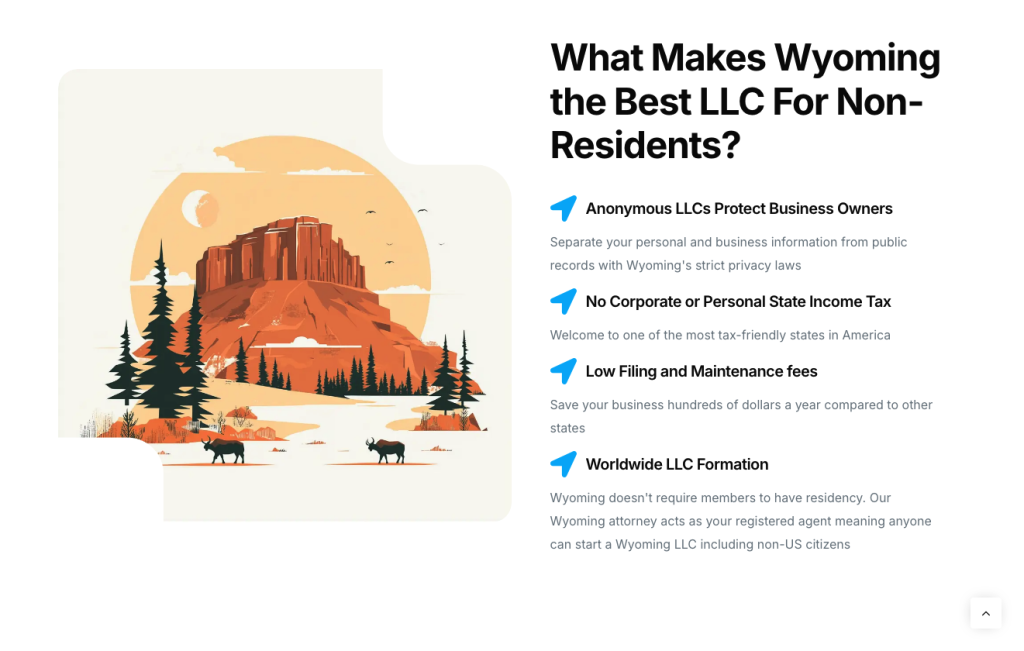
Source: startinwyoming.com
Absence of Value for Early-Stage Leads
In some cases, the biggest hidden barrier killing brand trust isn’t your brand’s inability to prove its competence or credibility. It’s simply that consumers populating the topmost stages of the sales funnel don’t recognise the value offered by your business, considering the fact that they’re not ready to convert.
This reserve toward sales-focused businesses shouldn’t come as much of a surprise. After all, scientific research clearly demonstrates that most aggressive sales tactics alienate potential prospects and harm brand reputation in the long term.
Furthermore, consumer behaviour indicates that 61% of buyers feel that companies treat them as a number instead of as real human customers.
With this in mind, one of the best methods to remove hidden trust-harming factors from your online presence is to be extremely committed to delivering enjoyable, user-centric brand experiences to all of your audience. This needs to include those leads who are not ready to buy.
So, invest in resources that deliver free and relevant value to your audience — regardless of their position in the sales funnel. That way, you can effectively position your business as a trustworthy, benevolent entity. More importantly, this approach will make your prospects want to continue interacting with your brand. That automatically develops familiarity and preference for your products.
The best part is that this trust-building tactic doesn’t have to be time or budget-intensive. Yes, you can produce these resources by yourself or outsource the job to a qualified content creation team. But you can also explore opportunities to find guest post writers who can deliver exceptional value to your audience while creating exposure for their brands (resulting in a win-win setup).
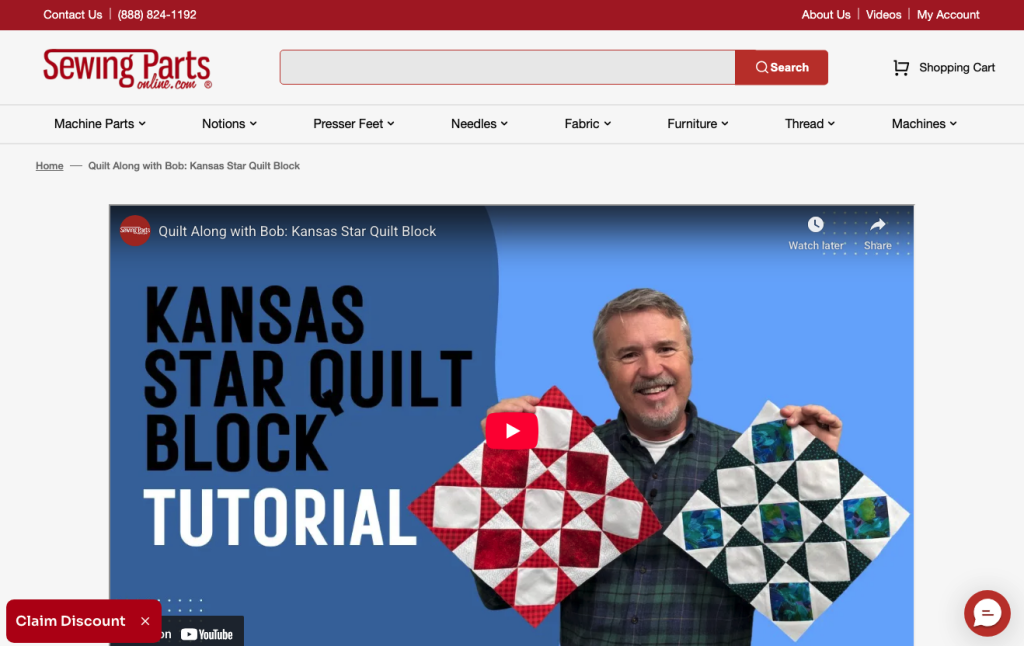
If you check out Sewing Parts Online, you’ll see that this is precisely the method this business uses to build brand trust. Sure, its tutorials may not (directly) play a part in the sales funnel. Nevertheless, they are a marvellous opportunity to attract and engage people who are interested in sewing, get them to trust the business, and make them more likely to convert into customers once they (inevitably) find themselves needing something that Sewing Parts Online sells.
Source: sewingpartsonline.com
Insufficient Information About Brand/Team Competence
Finally, if you want to address aspects of your online presence that may be killing brand trust, it’s crucial to understand that your brand’s credibility is closely tied to the competence of your team.
Yes, great products and services speak for themselves (and often earn a ton of social proof to testify to their effectiveness). Nevertheless, in a world where trust in all institutions is diminishing (and where traditional social proof is losing its power due to fraudulent marketing practices), the element of humanness is gaining traction in terms of establishing brand credibility.
To ensure your target audience forms a positive impression about your brand could be to simply highlight the fact that your organisation employs competent experts and/or customer-support specialists who’ll genuinely do their best to solve client needs.
Not sure if this approach works? Just check out Edelman’s research from 2024. It found that over 70% of consumers consider scientists and experts as trustworthy as their peers, particularly when it comes to innovative products.
So, if you want to remove hidden trust barriers from your website (or any other distribution channel for that matter), why not point out the credentials of your team? Amerisleep, for instance, does it beautifully by emphasising that its Mattress Fit Quiz was developed by four highly-qualified experts, listing each person’s credentials for maximum effect.
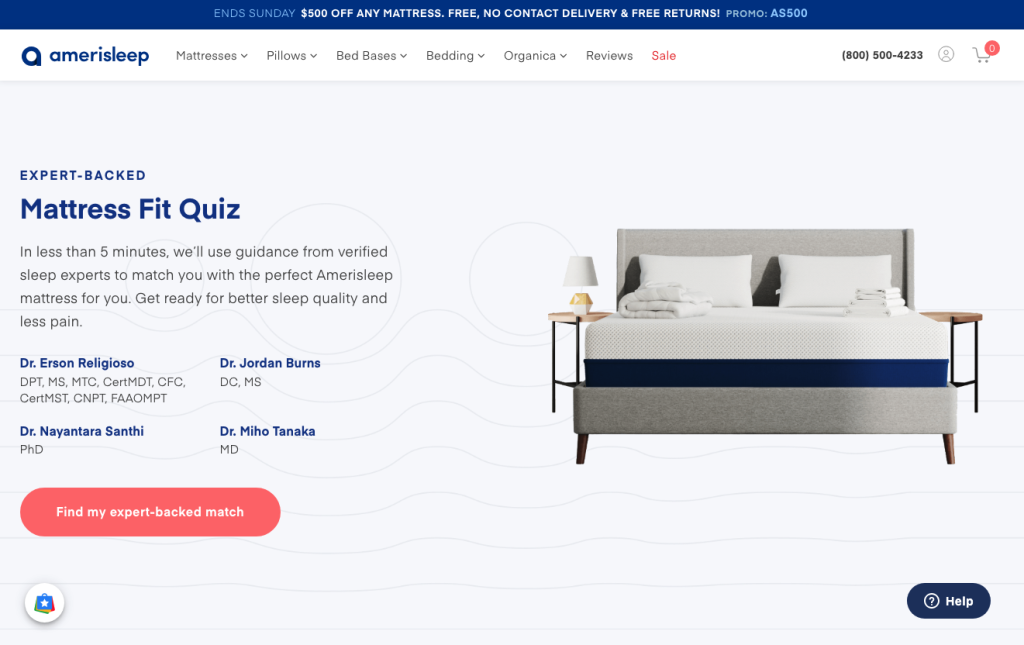
Source: amerisleep.com
Final Thoughts
If you’re finding it difficult to convince your target audience of your brand’s credibility (or simply want to boost your ability to move leads through the sales funnel), the tactics discussed in this guide are sure to come in handy.
No matter how many of these brand-positioning tactics you incorporate into your branding strategy, you’re sure to see positive results.
Of course, always make sure you align your approach with your ideal customers’ top priorities. That way, you won’t just ensure that the trust elements on your website resonate with potential clients. You’ll also avoid investing time and resources into tactics that don’t work for your brand or in your niche, allowing you to focus your energy on trust-building opportunities with genuine ROI potential.
PS: Are you receiving free publicity opportunities, straight into your inbox?
No?!! (Wha?)