

Let’s clear something up.
When people talk about newsjacking, they often lump everything into the same bucket. A witty brand tweet. A reactive ad. A media pitch sent to a journalist five minutes after a story breaks.
Same word. Very different games.
And confusing the two is how some brands end up trending for all the wrong reasons.
So, let’s break it down properly, because newsjacking in ‘advertising’ and newsjacking in ‘editorial PR’ might share a name, but they play by entirely different rules.
1. Newsjacking in advertising and social is playful, reactive and owned
This is the version most people recognise.
- A news moment happens.
- A brand spots a clever link.
- They jump on it fast and post something smart.
Classic example? When thieves broke into the Louvre using a motorised furniture ladder, and the motorised furniture ladder company cheekily responded with an ad.
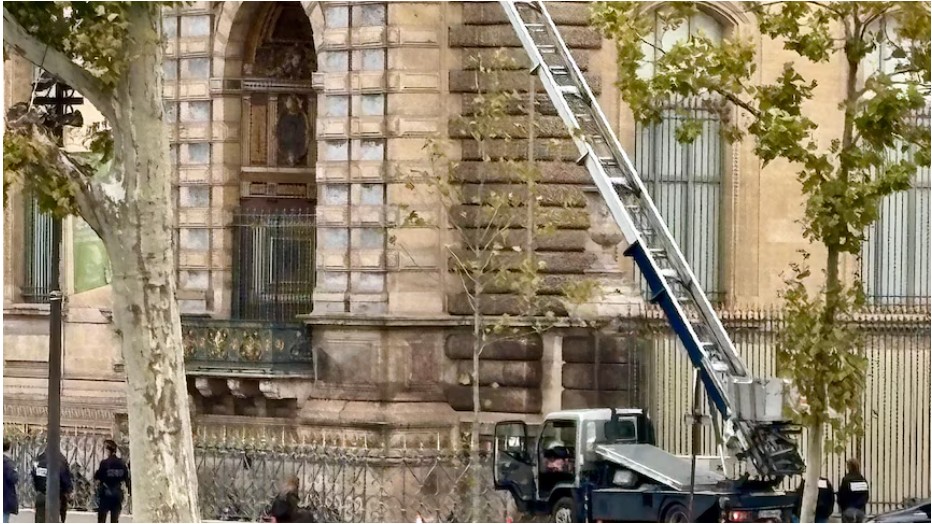
Louvre heist (AP: Alexander Turnbull)
No permission needed. No journalist involved. No expectation of balance or public value.
Now, this type of newsjacking works because:
- You own the channel.
- The tone can be witty, irreverent or tongue-in-cheek.
- The goal is attention, not explanation,
Think of it like photobombing the news with a wink. Done well, people giggle. Done poorly, people sharpen their pitchforks.
But crucially, it can sell. (And that’s why people do it.) Ads and social posts are allowed to promote. That’s literally their job!
2. Newsjacking in editorial PR is serious, strategic and service-led
Now let’s talk about the kind of newsjacking SourceBottle teaches. The one that actually lands you in the media.
This isn’t about reacting publicly. It’s about approaching a journalist privately with something genuinely useful.
As outlined in our guide, editorial newsjacking is about injecting insight, into a breaking story
You’re not necessarily commenting on the news. You’re adding the second paragraph.
In practical terms, that means:
- The journalist already has the story.
- What they need next is context, consequences and expertise.
- YOUR ROLE is to answer the questions that naturally follow.
No jokes. No branding. No call to action.
Just answers.
Same timing. But totally different intent.
What is the same is forboth forms of newsjacking is that they heavily rely on speed. Timing is everything.
But the intent is where things diverge sharply.
Advertising newsjacking asks:
“How can we cleverly link ourselves to this moment?”
Editorial newsjacking asks:
“What questions will this story raise for the audience, and can I help answer them?”
One chases relevance. The other earns trust.
And journalists can smell the difference a mile away.
3. Why (some) brands get this wrong (and regret it)
Problems happen when brands treat editorial pitches like ads.
That’s when you see:
- Experts trying to sell their service inside a media pitch (ugh!)
- Businesses forcing a connection that doesn’t naturally exist (yuck!)
- Light-hearted tones applied to serious news stories (tone deaf much?)
As our guide makes very clear, this is where reputational damage happens fast and publicly.
Editorial newsjacking has rules. Ignore them, and you’re not bold. You’re just inappropriate.
A simple way to tell which type you’re doing? Ask yourself one question:
Am I trying to be noticed, or am I trying to be useful?
If it’s noticed … you’re in ad or social territory.
If it’s useful … you’re playing in editorial.
Different channels. Different expectations. Different outcomes.
Treat them the same, and you’ll either miss the opportunity or (worse!) burn the bridge.
4. The takeaway
Newsjacking isn’t about being fast and funny. It’s about being fast and relevant to the right audience in the right way.
Ads can wink at the news. Editorial must respect it.
Master that distinction, and newsjacking becomes one of the most powerful tools in your toolkit.
Get it wrong, and you’ll become the example everyone else learns from and trust me, that’s NOT the kind of coverage you want.
PS: Are you receiving free publicity opportunities, straight into your inbox?
No?!! (Wha?)