

Connection is everything in the business world. Even though it may not seem like it – especially when operating in globalised, competitive markets where converting new customers depends on the quality of your offer and the value you provide.
But at the end of the day, consumers’ buying decisions aren’t strictly rational. Instead, they’re often based on emotional or subconscious factors and that elusive sense of connection people feel towards brands.
To build brand and product awareness, engage potential customers, and boost sales, you need strategies that will help you build real connections with your audience. And the only way to do that is to understand modern consumers.
So, what do buyers want and expect when choosing which businesses to buy from and champion? Furthermore, is there anything you can do to ensure they feel aligned with your brand, to promote conversions and loyalty?
This guide will explore several strategies for building genuine connections with your audience, along with examples of brands doing it right. Let’s get into it.
Demonstrate an Understanding of Audience Needs
Want to develop a real connection with your target audience? Effective relationship-building between brands and consumers is impossible without a great deal of understanding.
But here’s the thing. The goal of audience research isn’t just to ‘figure out’ your ideal customers’ wants and needs so that you can optimise your offer and marketing messages. Instead, audience understanding is a prerequisite for consumers even wanting to buy from your business.
If you look at consumer research, you’ll find that several studies prove the tremendous impact of audience understanding:
- According to a 2022 survey, 73% of consumers expect companies to understand their unique needs and expectations. Moreover, 62% want brands to anticipate their needs.
- Research from McKinsey discovered that 71% of buyers expect brands to deliver personalised experiences, and three-thirds of people become frustrated when this doesn’t happen.
- The 2024 State of Customer Service and CX Study discovered that 81% of consumers prefer companies that offer personalised experiences.
- Deloitte even discovered that 50% of consumers spend more with brands that employ personalisation for improving CX.
- Finally, Adobe’s research suggests that 79% of consumers expect brands to demonstrate an understanding of their needs to even consider buying. Plus, 56% of people are more loyal to businesses that ‘get them,’ demonstrating the importance of comprehending customer needs.
Admittedly, there’s no shortage of data on the role of audience understanding in driving connection, conversion, and loyalty. But how can you show that your brand cares about customer needs?
When trying to build relationships with prospects and customers, explore ways to recognise and address their pain points, frustrations, and aspirations.
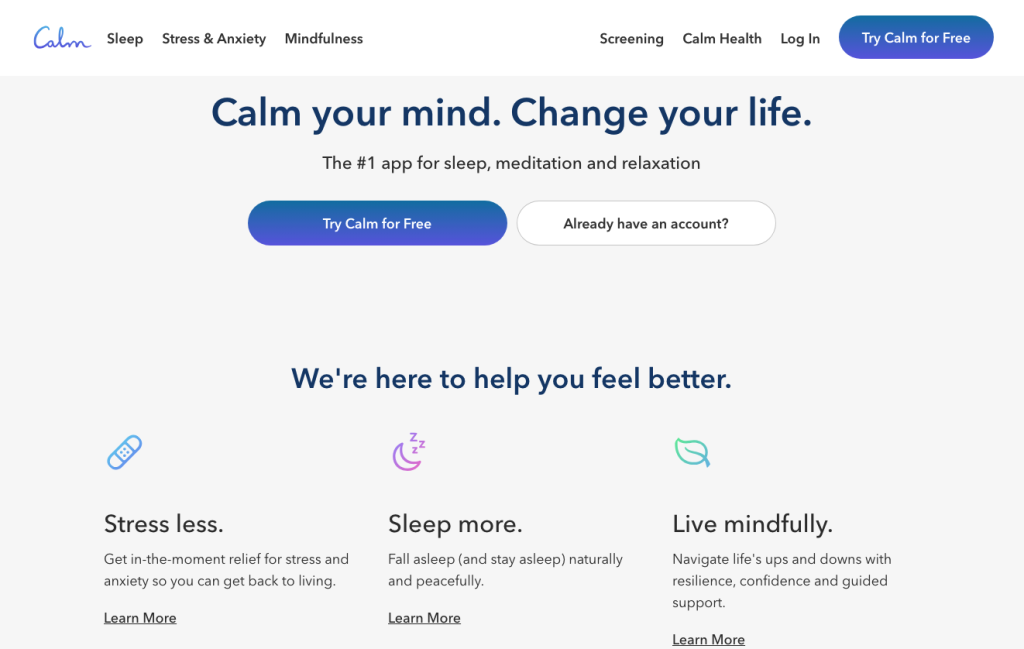
The brand Calm does it beautifully by dedicating a prominent section of its homepage to addressing its target audience’s topmost aspirations, including stress relief, sleep improvement, and living with mindfulness.
Source: calm.com
Show You Care About Your Customers’ Experience
Showing that you understand what your prospects need is a great first step toward earning their business. But is it enough to form long-lasting relationships? Not entirely.
If you want your target audience to actively choose your solutions and continue returning to your business for future purchases, you’ll need to elevate the customer experience. Even more, you have to show early on in the buyer’s journey that your brand cares about delivering a stellar shopping experience (both pre- and post-purchase).
Why is this the case? Well, the simple truth is that modern consumers actively seek opportunities to buy from brands that are willing to go above and beyond. And when they find a product or service that comes with next-level CX, 75% of buyers are even prepared to pay more.
With this in mind, one of the most effective methods to attract your ideal customers and build connections that’ll result in sales is to demonstrate your dedication to customer satisfaction.
Highlighting positive customer feedback in attention-grabbing areas of your website is a marvelous tactic to position your business as a customer-first entity. Nevertheless, you can also explore additional strategies for building customer connections through customer centricity.
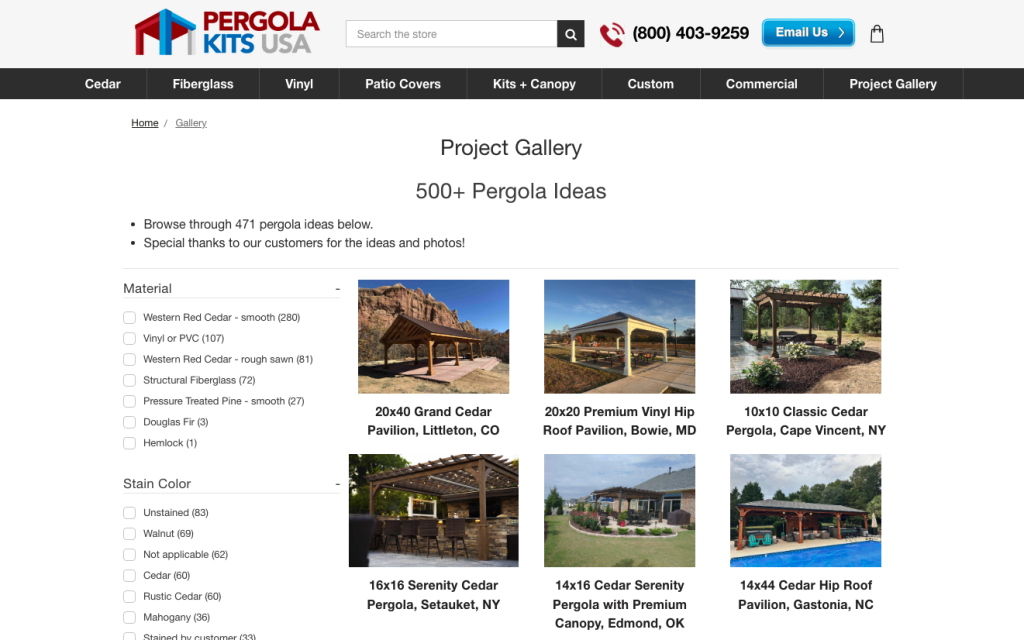
For example, if you check out Pergola Kits USA, you’ll notice that this business takes immense pride in its dedication to customer satisfaction. This isn’t just reflected in the messaging the brand uses throughout its website. The dedicated Project Gallery for Pergola Ideas page drives the message home, proving with the handy help of user-generated content that the company genuinely is a business people can rely on for stellar service.
This effectively encourages customers to want to buy from the brand.
Source: pergolakitsusa.com
Connect Through Shared Values and Goals
When it comes to building customer relationships in a way that drives conversions, you have to understand that modern consumers consider multiple factors before committing to a purchase.
Yes, product quality, value for money, convenience, and brand trust all play a role in convincing people to choose a particular solution. However, nowadays, people also pay attention to brand values and purpose. And they actively choose to support businesses with which they ‘click’ on a values-based level.
If you look at some of the latest research, you’ll discover that 64% of people choose (or avoid) brands based on their beliefs about what is going on in society. This trend is exceptionally distinct among young consumers. An impressive 96% of Gen Z say they shop with intention, while 66% say their purchasing behavior should reflect their personal values.
To build connections with your target audience (and get them to want to buy from your brand due to shared values and goals), highlight the causes your business cares about or emphasise product characteristics that can resonate with your prospects.
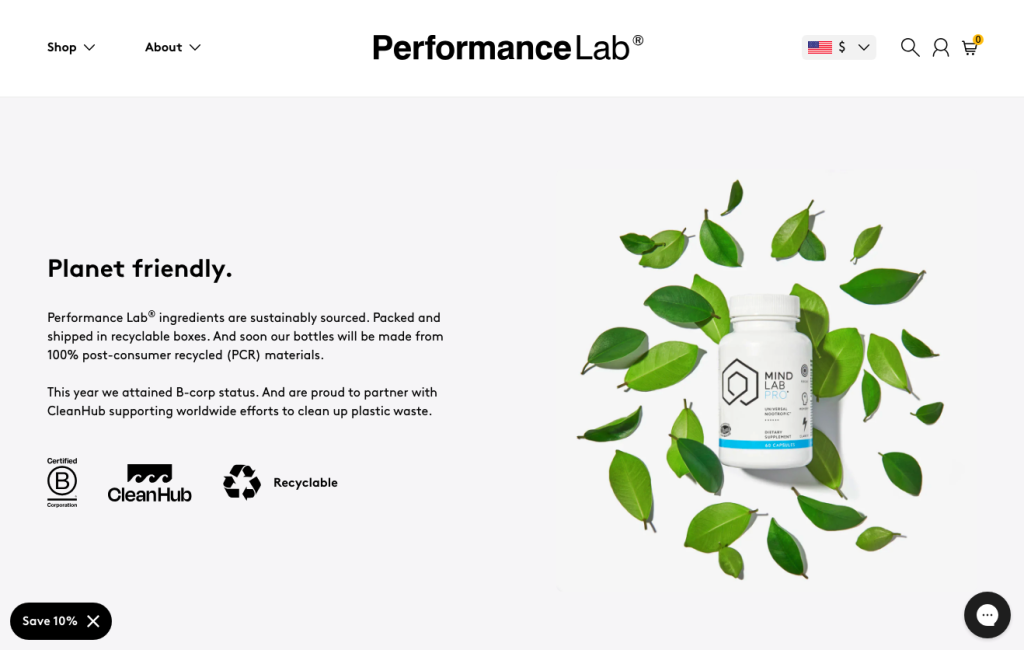
For instance, check out how Performance Lab does it on its homepage. In addition to sharing the fact that it’s a B-Corp, this brand also states that its ingredients are research-backed, third-party tested, sustainably sourced, and shipped in recyclable packaging. Sure, not all of the brand’s buyers will consider packaging or sustainability when choosing PerformanceLab. Nevertheless, to the segment of the brand’s audience that is truly committed to eco-friendly buying decisions, these factors will make a difference and create a strong preference for this brand’s solutions vs. those sold by its competitors.
Source: performancelab.com
Explore Methods to Boost Convenience
There’s more than one way to build a relationship with your target audience. Sure, you can and should appeal to your prospects’ emotions with hyper-relevant messaging, which will resonate on a personal level. Nonetheless, there are other ways to make your solutions the desirable solution to people’s pain points.
If you look at what modern consumers want, you’ll find that convenience ranks as one of the top purchasing factors when choosing what products to buy.
Essentially, 77% of consumers want convenient shopping experiences that are comfortable, fast, and easily available. And they’re even willing to pay 5% more for this type of benefit.
So, if you’re trying to position your brand as the ideal choice for your target audience, explore methods to boost the convenience of buying from your business.
The great news is that this is pretty achievable with just a few web design hacks.
You can employ banners and pop-ups to advertise customer-centric convenience perks (like free and fast shipping). Or, you can go even further in your quest to make customers want to buy from your brand due to convenience by improving the navigation mechanisms that determine the complexity of the buyer’s journey on your website.
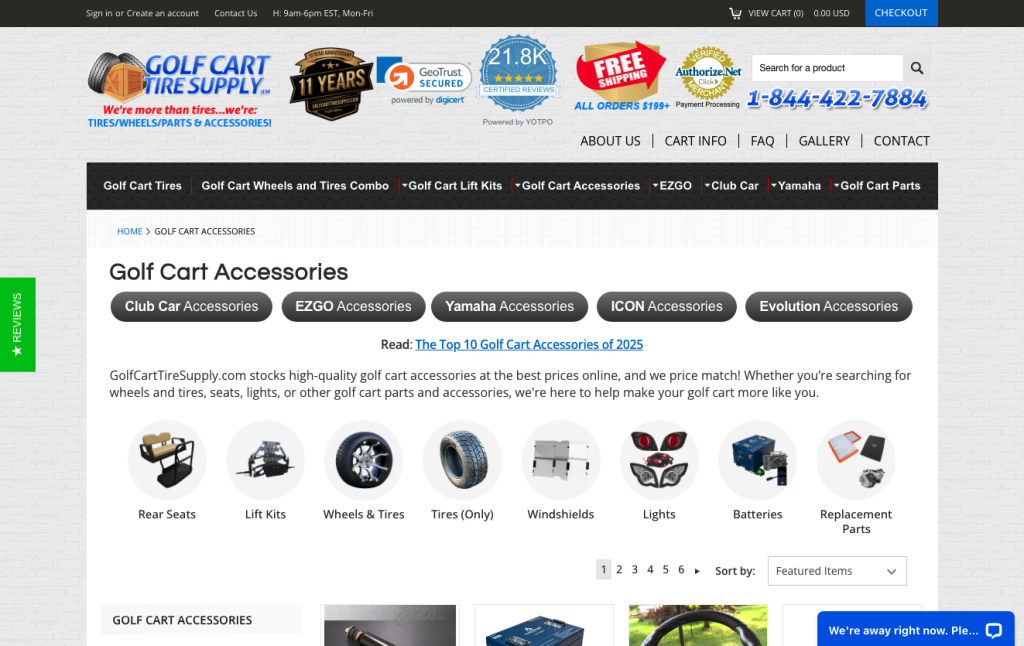
If you look at Golf Cart Tire Supply, you’ll notice that the brand goes above and beyond to do just this. It fills its landing pages with trust-building signals to demonstrate that it’s a credible store for sourcing accessories for golf carts. Furthermore, it also employs UX design to make product discovery as straightforward as possible, with a handy filter system at the top of the product collection page, helping consumers find precisely what they need and assisting them in resolving their pain points with speed and comfort.
Source: golfcarttiresupply.com
Be Generous with Your Knowledge
One of the biggest obstacles to having your ideal customers feel a connection with your brand is that most consumers feel that brands just treat them as a source of income.
In fact, if you look at Salesforce’s research, you’ll discover that 61% of people feel that businesses treat them solely as a number, which is precisely what they don’t want from a brand interaction.
Instead, modern consumers want to feel appreciated and special, and they want businesses to work to earn their confidence and business.
With this in mind, when aiming to build relationships with your potential clients, you have to explore opportunities to get them to understand that you genuinely want to help them remove their pain points.
In addition to using social proof to build brand trust and investing in exceptional customer service during all stages of the buyer’s journey, it’s also worth investing in high-quality content that’ll show your audience that you care about helping them — regardless of whether they decide to buy or not.
By producing generous educational resources that unlock your industry-specific expertise to potential clients, you can effectively convince your target audience to perceive your business as competent, credible, and trustworthy.
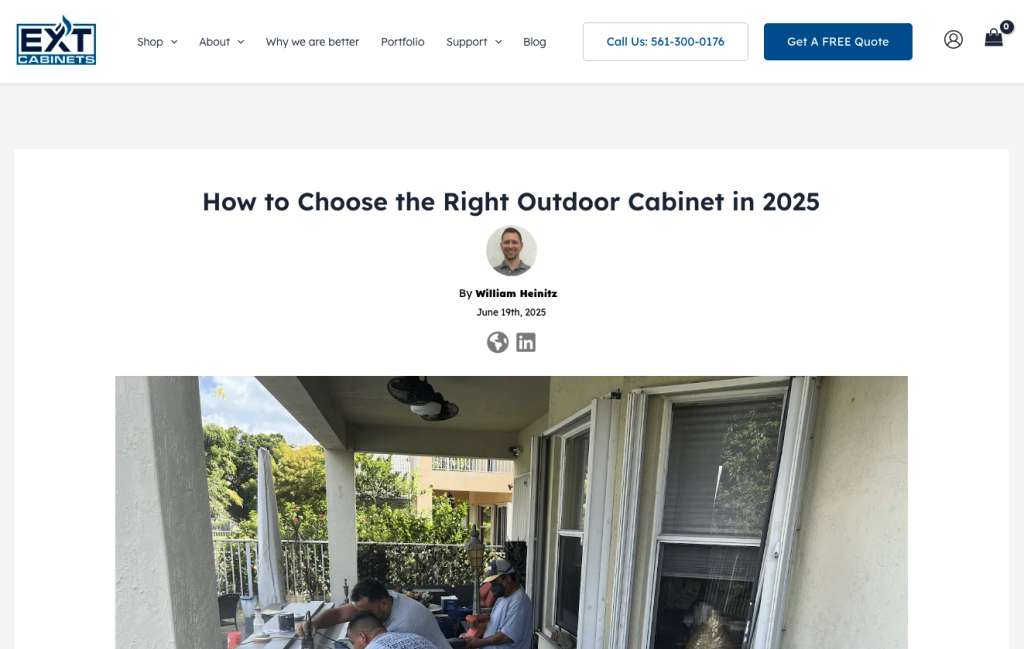
A great example to look at comes from EXT Cabinets and their “How to Choose the Right Outdoor Cabinet” post. Such an approach is a great way to encourage them to want to become your customers. And not just because of the quality they expect from you but also because they know you’re willing to put customer needs first — even if it means sharing your unique insights without expecting anything in return.
Source: extcabinets.com
Tap Into Your Audience’s Emotions
Last but not least, if you want to build connections with your target audience and use customer relationships to grow your business, be prepared to tap into your audience’s emotions.
Why? Consumers make the majority of their buying decisions based on subconscious factors.
But here’s the deal. Using emotional marketing isn’t just about evoking positive emotions to convince your audience to buy your products, no matter how well that works for brands like Coca-Cola. You can accomplish equally impressive results by reflecting on the not-so-great feelings your audience may have, whether that includes their fears, dislikes, or risk perceptions.
Ultimately, addressing these negative emotions allows your business to remove common conversion obstacles from your prospects’ buying journeys, but that’s not all. It’s equally effective at helping your potential clients perceive your brand as the entity they can rely on to get them what they want, whether that’s reassurance about quality or just a confirmation that a product they’re exploring truly suits them (and their style).
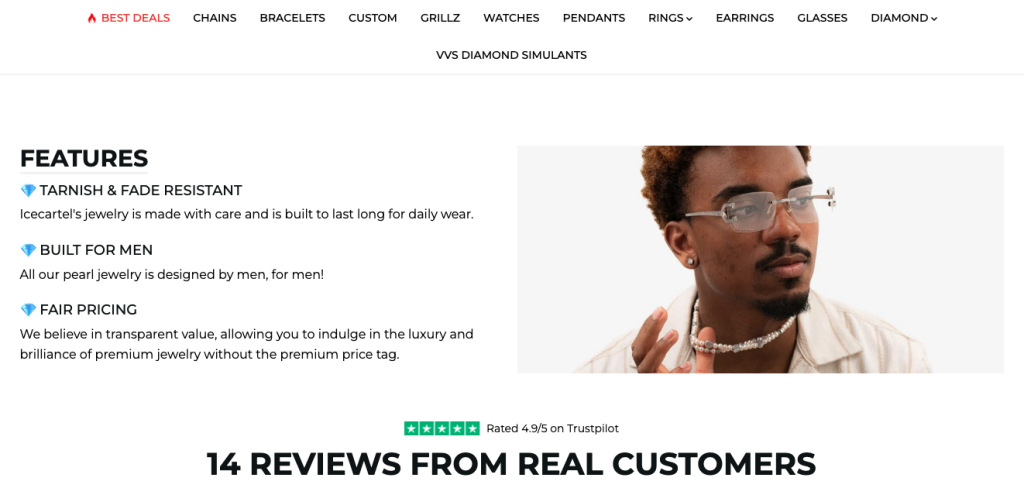
Check out how Icecartel does this. On its product pages, the brand uses traditional copy to cover features and benefits. It also dedicates an entire section to addressing customer fears, reassuring buyers that a pearl bracelet is high quality, built for men, and (most importantly) fairly priced.
Source: icecartel.com
Final Thoughts
Understanding your target audience’s wants, needs, and emotional state is a tremendous first step toward converting them into customers.
But if you’re after long-term business success, selling once is not sufficient to ensure the longevity of your brand. Instead, you need to explore opportunities to get your customers to fall in love with your brand and products so that they’re willing to return time and again.
The strategies for building audience relationships outlined in this article are all excellent methods to accomplish these goals. Of course, they may require a bit of fine-tuning to align with your unique customer base. But rest assured that they’re effective at building connections, which is one of the best ways to elevate the success potential of your business.
PS: Not getting FREE media opportunities in your inbox?
Wha?
You can fix that riiiight here.